Vaccine
Talk
(Egyptian Edition)
"Everything you need to know about
vaccines in Egypt"
(Egyptian Edition)
"Everything you need to know about
vaccines in Egypt"
Respiratory Syncytial Virus (RSV) is a common, highly contagious virus of the respiratory tract. While it can infect all ages, greatest risk is in infants, young children, older adults, and people with weakened immunity.
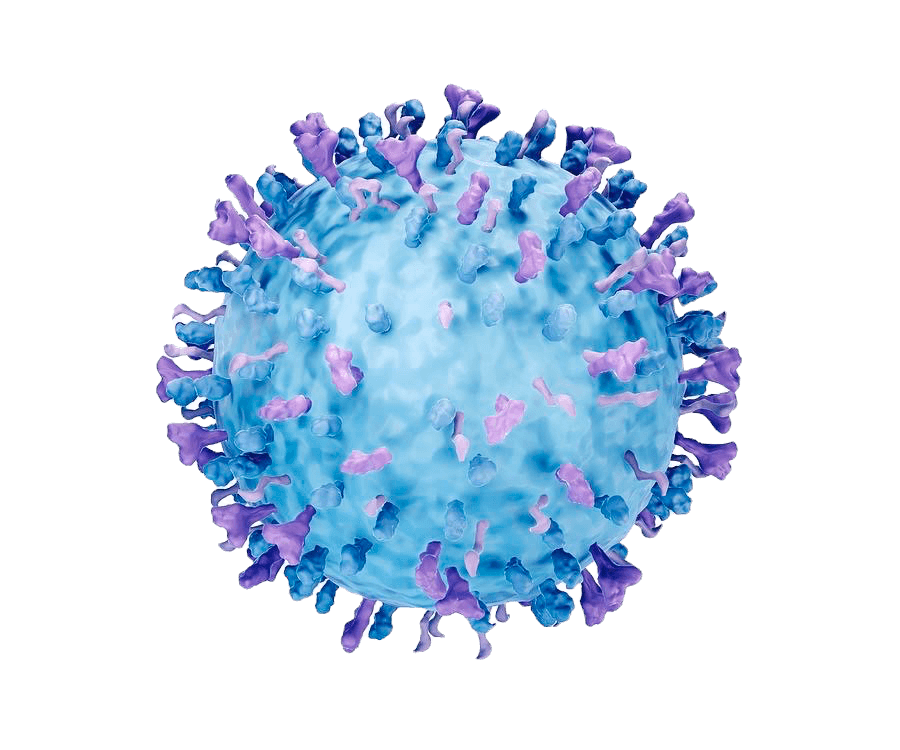
Respiratory Syncytial Virus (RSV) is a common, highly contagious virus of the respiratory tract. While it can infect all ages, greatest risk is in infants, young children, older adults, and people with weakened immunity.
RSV primarily infects the nose, throat and lungs and is a leading cause of respiratory illness in young children globally. Most are infected by age two; disease is often mild but can be severe in vulnerable groups.
In infants/young children RSV can cause bronchiolitis and pneumonia. Severe signs include dyspnea, tachypnea, cyanosis and dehydration.
Spreads via respiratory droplets and contaminated surfaces (tables, toys, doorknobs). Season peaks in colder months (late autumn–early spring) in temperate climates.
RSV drives millions of hospitalizations and thousands of deaths annually, especially among young children in LMICs. Key challenges: limited access to immunization, low awareness, clinical overlap with other viruses, and seasonal surges straining health systems.
2007–2008 Cairo University Pediatric Hospital study (infants with pneumonia/bronchopneumonia): RSV detected in 85% (58/68) via RT‑PCR; subtypes A 21%, B 36%, co‑infection A+B 43%. Highest rate at 2–3 months. Fever, wheeze, tachypnea, cyanosis common; CXR consolidation associated with RSV. Conclusion: major cause of severe LRTI; RT‑PCR of NPA is effective; continued surveillance needed.
National outpatient survey (Oct 2022; 98 clinics; n=530 children): Influenza 25.3%, RSV 20.9%, co‑infection 2.8%. RSV cases were younger (mean 4.3y vs 7.2y for influenza). Dyspnea more frequent with RSV (62.2% vs 49.3%), especially in <2 years (86.7% vs 53.1%). Conclusion: marked resurgence in 2022–2023; RSV linked to more severe symptoms in younger children; broadened viral surveillance is needed.
المصدر: الهيئة المصرية للدواء / وزارة الصحة — لا توجد علاقة مباشرة بين الموقع وهذه الشركات، والمحتوى لأغراض التوعية فقط. ولا يجوز استخدامها في أي أغراض تجارية
المصدر: الهيئة المصرية للدواء / وزارة الصحة — لا توجد علاقة مباشرة بين الموقع وهذه الشركات، والمحتوى لأغراض التوعية فقط. ولا يجوز استخدامها في أي أغراض تجارية
المصدر: الهيئة المصرية للدواء / وزارة الصحة — لا توجد علاقة مباشرة بين الموقع وهذه الشركات، والمحتوى لأغراض التوعية فقط. ولا يجوز استخدامها في أي أغراض تجارية