Vaccine
Talk
(Egyptian Edition)
"Everything you need to know about
vaccines in Egypt"
(Egyptian Edition)
"Everything you need to know about
vaccines in Egypt"
Neisseria meningitidis is a Gram-negative diplococcus recognized for its ability to colonize the mucosal surfaces of the nasopharynx. Transmission occurs primarily via direct contact with large-droplet respiratory tract
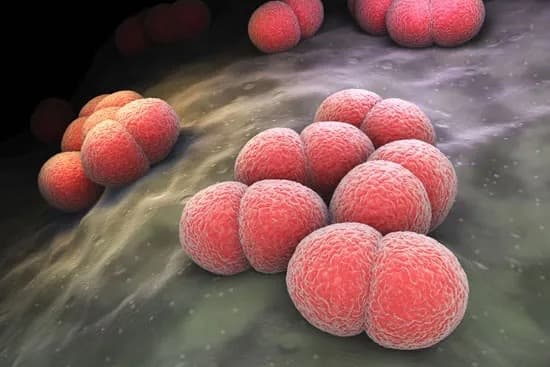
Neisseria meningitidis is a Gram-negative diplococcus recognized for its ability to colonize the mucosal surfaces of the nasopharynx. Transmission occurs primarily via direct contact with large-droplet respiratory tract secretions, either from patients or asymptomatic carriers. While many individuals may carry the bacteria without consequences, in certain cases, it invades the bloodstream or central nervous system, leading to severe, frequently life-threatening disease. Clinically, meningococcal disease most commonly manifests as: Meningitis (inflammation of the membranes covering the brain and spinal cord, accounting for about 50% of cases), Bacteremia (presence of bacteria in the bloodstream, seen in approximately 30% of cases), and Bacteremic pneumonia (infection of the lungs with concurrent blood involvement, representing about 15% of cases). The disease can progress rapidly, often within hours, and may initially be mistaken for less severe illnesses. Symptoms of meningitis include sudden onset of fever, headache, stiff neck, nausea, vomiting, photophobia, and altered mental status. Bacteremia can present with fever and signs of septic shock, including hypotension and multi-organ dysfunction.
N. meningitidis is classified into twelve serogroups based on the polysaccharide capsule. However, the vast majority of invasive disease—such as meningitis and sepsis—is attributed to serogroups A, B, C, W, X, and Y. The prevalence and relative importance of each serogroup fluctuate according to geographic region, age group, and time.
Meningococcal meningitis has long been endemic in Egypt. Large outbreaks occurred in the 1970s and late 1980s, prompting the Egyptian Ministry of Health and Population (MOHP) to implement a national, school-based vaccination program in 1992 utilizing MenAC polysaccharide vaccines.
Surveillance efforts, initiated in 1998, have provided insight into trends, serogroup prevalence, and outcomes. Key findings include: Incidence in 2017: Estimated at 13.68 cases per 100,000 population; death rate 0.08 per 100,000. Most common pathogen: N. meningitidis led confirmed bacterial meningitis (28.9% of cases, 1997–2006), followed by S. pneumoniae and H. influenzae. CFR: Ranged from 13.4% (Mobarak) to 23% (Youssef in children under 6). Age distribution: Highest burden among young children; average age in one study was 1.5 years. Seasonality: Peaks in colder seasons, especially late autumn and winter. Decline in N. meningitidis: Share of bacterial meningitis due to N. meningitidis fell from up to 72.5% (1988–1995) to 18.9%–38.2% (1997–2006).
Early reports found MenA responsible for 95% of cases; after MenAC vaccine introduction, MenB (51–54.5%) and MenA (31.8–35%) became dominant, with smaller contributions from MenW (4–4.5%), MenY (2–2.3%), and MenD (2%). This shift mirrors the impact of MenAC vaccination.
Data from isolates (1998–2004): 51% MenB, 35% MenA, 4% MenW, 2% MenY, 2% MenD, 8% untypeable. Several sequence types and clonal complexes were identified; ST2174 and ST7 were most prevalent. The ST2174 clone may be endemic to Egypt, supporting ongoing molecular monitoring.
Resistance to sulphonamides was first documented in the 1960s. By the early 2000s, high resistance to trimethoprim/sulfamethoxazole (~86%) and intermediate resistance to ampicillin and penicillin were reported in 40–71% of isolates, varying by serogroup.
School-based MenAC polysaccharide vaccination since 1992 significantly reduced outbreak frequency and altered serogroup patterns. Incidence in 2004 fell to 0.1 per 100,000. Egypt also recommends MenACWY polysaccharide vaccination for travelers to high-risk areas.
المصدر: الهيئة المصرية للدواء / وزارة الصحة — لا توجد علاقة مباشرة بين الموقع وهذه الشركات، والمحتوى لأغراض التوعية فقط. ولا يجوز استخدامها في أي أغراض تجارية
المصدر: الهيئة المصرية للدواء / وزارة الصحة — لا توجد علاقة مباشرة بين الموقع وهذه الشركات، والمحتوى لأغراض التوعية فقط. ولا يجوز استخدامها في أي أغراض تجارية
المصدر: الهيئة المصرية للدواء / وزارة الصحة — لا توجد علاقة مباشرة بين الموقع وهذه الشركات، والمحتوى لأغراض التوعية فقط. ولا يجوز استخدامها في أي أغراض تجارية
المصدر: الهيئة المصرية للدواء / وزارة الصحة — لا توجد علاقة مباشرة بين الموقع وهذه الشركات، والمحتوى لأغراض التوعية فقط. ولا يجوز استخدامها في أي أغراض تجارية
المصدر: الهيئة المصرية للدواء / وزارة الصحة — لا توجد علاقة مباشرة بين الموقع وهذه الشركات، والمحتوى لأغراض التوعية فقط. ولا يجوز استخدامها في أي أغراض تجارية
المصدر: الهيئة المصرية للدواء / وزارة الصحة — لا توجد علاقة مباشرة بين الموقع وهذه الشركات، والمحتوى لأغراض التوعية فقط. ولا يجوز استخدامها في أي أغراض تجارية