Vaccine
Talk
(Egyptian Edition)
"Everything you need to know about
vaccines in Egypt"
(Egyptian Edition)
"Everything you need to know about
vaccines in Egypt"
Haemophilus influenzae is a bacteria that has encapsulated (typeable) or unencapsulated (nontypeable) strains. Encapsulated strains express one of six antigenically distinct capsular polysaccharides (types a, b, c, d, e,
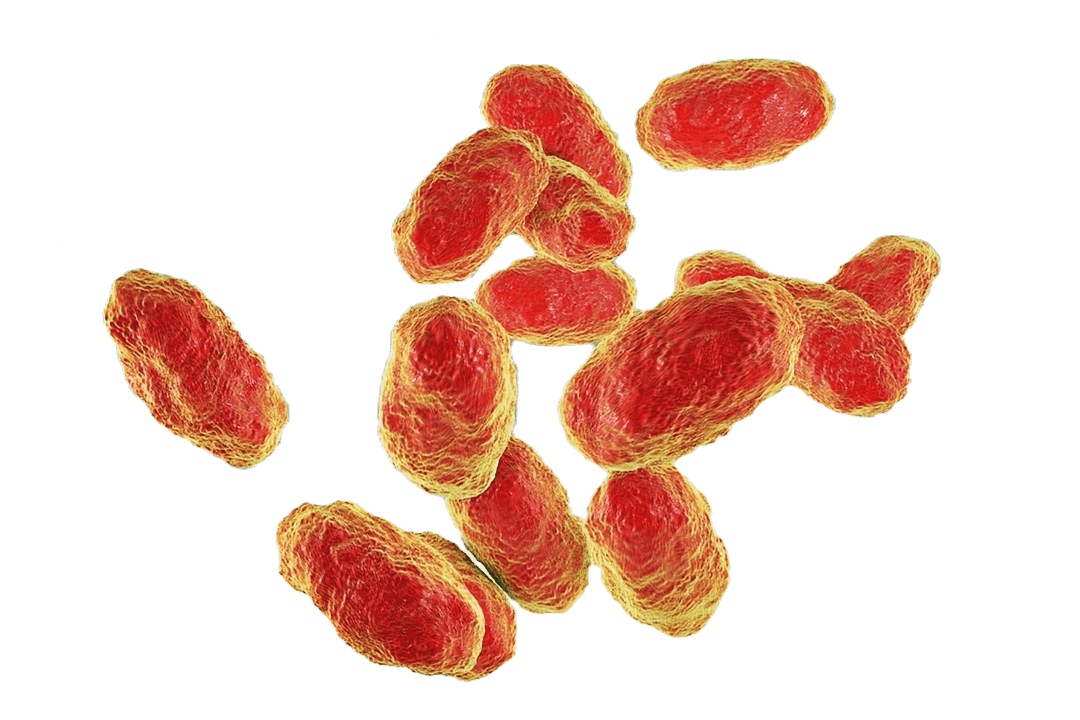
Haemophilus influenzae is a bacteria that has encapsulated (typeable) or unencapsulated (nontypeable) strains. Encapsulated strains express one of six antigenically distinct capsular polysaccharides (types a, b, c, d, e, or f). Type b (Hib) was historically the most common type to cause invasive disease, particularly in young children.
H. influenzae colonizes the upper respiratory tract of humans and is transmitted person-to-person by inhalation of respiratory droplets or by direct contact with respiratory tract secretions.
Encapsulated non–type b strains, particularly type a, can cause invasive disease similar to Hib disease. Nontypeable strains also can cause invasive disease but more commonly cause mucosal infections such as otitis media, conjunctivitis, and sinusitis. Vaccines are only available for H. influenzae type b; Hib vaccines do not protect against disease caused by other H. influenzae strains.
Haemophilus influenzae type b is a polysaccharide-encapsulated bacteria that causes a variety of invasive diseases, such as meningitis, epiglottitis, and pneumonia. Influenza, by contrast, is a virus that causes the disease influenza.
Haemophilus influenzae was first isolated in 1889 from the sputum of a patient who died of (viral) influenza disease, and the isolated organism (then called the Pfeiffer bacillus) was incorrectly assumed to have caused the patient's illness. The name "Haemophilus influenzae" (1920) acknowledged this historical association. The viral cause of influenza was not discovered until 1933.
CDC recommends Hib vaccination for all children younger than 5 years old. Older children and adults usually do not need a Hib vaccine. Hib vaccination is recommended for certain unvaccinated people with specific medical conditions and for people who receive a bone marrow transplant.
Paper published: 2012 | Data collected: 2009 | Location: Ain Shams University Children's Hospital, Cairo. Sample: 100 children under 5 years hospitalized with pneumonia. Hib was detected in 31% of cases using real-time PCR, compared with 12% by blood culture. PCR was more sensitive and accurate than culture. Most effective antibiotic reported: Ceftriaxone. Hib was a major cause of pneumonia before vaccine introduction.
The Ministry of Health and Population (MoHP) continues to advance its EPI efforts through the introduction of Hib vaccine as a component of the PENTA vaccine in the national immunization programme, aiming to reduce morbidity and mortality due to bacterial pneumonia.
المصدر: الهيئة المصرية للدواء / وزارة الصحة — لا توجد علاقة مباشرة بين الموقع وهذه الشركات، والمحتوى لأغراض التوعية فقط. ولا يجوز استخدامها في أي أغراض تجارية