Vaccine
Talk
(Egyptian Edition)
"Everything you need to know about
vaccines in Egypt"

(Egyptian Edition)
"Everything you need to know about
vaccines in Egypt"
Hepatitis is an inflammation of the liver caused by a variety of infectious viruses and non-infectious agents, leading to a range of health problems including severe liver damage and cancer, some of which can be fatal. T
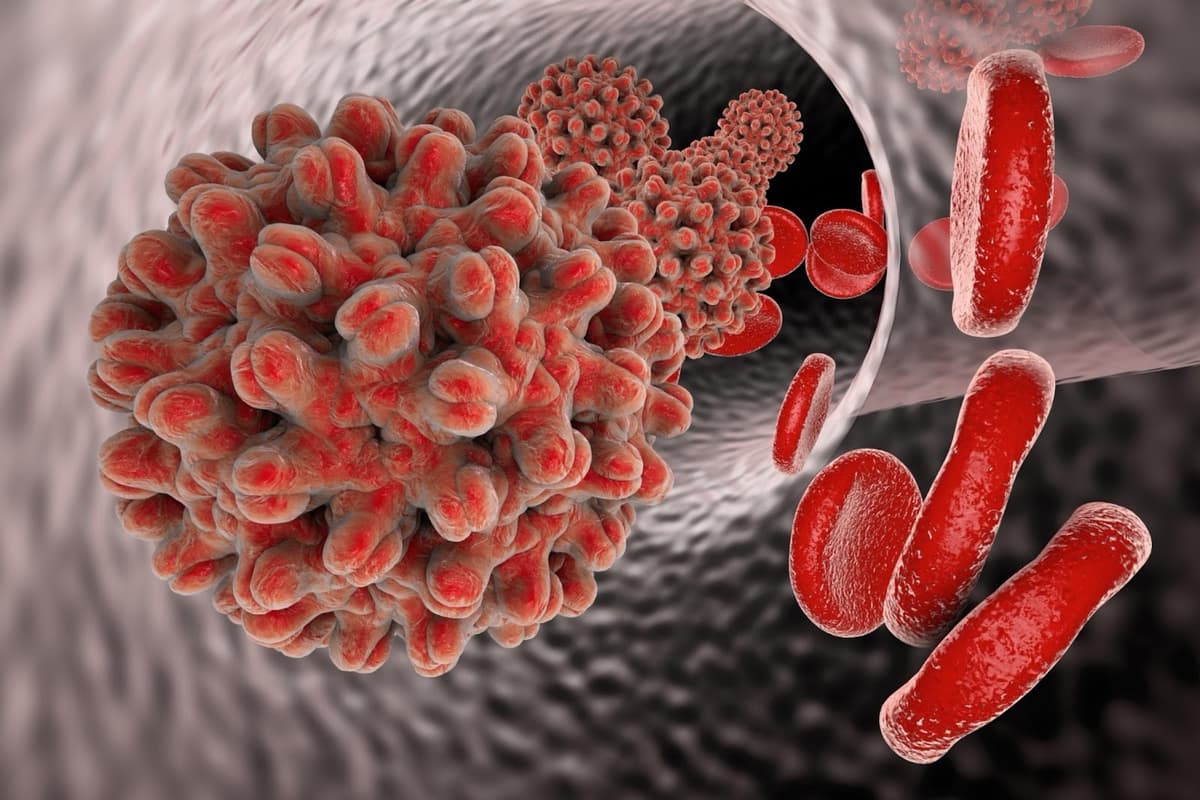
Hepatitis is an inflammation of the liver caused by a variety of infectious viruses and non-infectious agents, leading to a range of health problems including severe liver damage and cancer, some of which can be fatal. There are 5 main strains of the hepatitis virus (A, B, C, D and E). While all can cause liver disease, they differ in transmission, severity, geography and prevention. Types B and C cause chronic disease in hundreds of millions worldwide and are the most common causes of cirrhosis, liver cancer, and viral hepatitis-related deaths—estimated 1.3 million deaths per year. Around 304 million people live with hepatitis B or C, and for most, testing and treatment remain out of reach.
About 30%–50% of people aged ≥5 years with acute hepatitis B have initial signs or symptoms. Children <5 years and newly infected immunosuppressed adults rarely show symptoms. When present, symptoms can include nausea, anorexia, fatigue, myalgias/arthralgias/abdominal pain, fever, diarrhea or vomiting, headache, dark urine, clay-colored stools, and jaundice. Ill patients may require hospitalization. Those with chronic HBV may be asymptomatic or range from chronic hepatitis to cirrhosis or hepatocellular carcinoma. If symptoms occur, onset is typically ~90 days after exposure (range 60–150 days).
Persons with chronic HBV infection (persistent HBsAg ≥6 months) are the main reservoir. HBV is transmitted via percutaneous, mucosal or non-intact skin exposure to infectious blood or body fluids. Blood has the highest concentration; percutaneous exposure is highly efficient. Semen and vaginal secretions are infectious; HBV can be detected in saliva, tears, and bile. Other sterile body fluids are potentially infectious. Urine, feces, vomitus, respiratory secretions and sweat are not efficient vehicles unless blood is present. Breast milk HBsAg is unlikely to transmit infection; breastfeeding is not contraindicated. HBV is environmentally stable and viable ≥7 days at room temperature; high-level tuberculocidal disinfectants inactivate HBV.
HBsAg: Surface antigen—marker of infectivity; indicates acute or chronic infection. Anti-HBs: Antibody to surface antigen—marker of immunity (post-infection, post-vaccination, or passive antibody). Avoid abbreviation HBsAb to prevent confusion. Anti-HBc (total): Antibody to core antigen—nonspecific marker of acute, chronic, or resolved infection; not a marker of vaccine-induced immunity; useful for prevaccination screening. IgM anti-HBc: Indicates recent (<6 months) infection; marker of acute infection. HBeAg: Marker of high infectivity; correlates with high viral replication; used in chronic HBV management. Anti-HBe: May be present in infected or immune persons; in chronic infection suggests lower viral titer/infectivity. HBV-DNA: Viral load; reflects replication and infectivity; used to assess and monitor chronic HBV treatment.
On June 2, 2025, Egypt became the first country in the WHO Eastern Mediterranean Region to achieve hepatitis B control status—prevalence <1% among children aged ≥5 years and sustained >90% coverage for birth and third doses. This success reflects decades of newborn vaccination, strengthened surveillance and infection control, robust healthcare infrastructure, public awareness, expanded laboratory capacity and training, and access to affordable treatment, with continuous WHO technical support aligning strategies to global standards.
المصدر: الهيئة المصرية للدواء / وزارة الصحة — لا توجد علاقة مباشرة بين الموقع وهذه الشركات، والمحتوى لأغراض التوعية فقط. ولا يجوز استخدامها في أي أغراض تجارية
المصدر: الهيئة المصرية للدواء / وزارة الصحة — لا توجد علاقة مباشرة بين الموقع وهذه الشركات، والمحتوى لأغراض التوعية فقط. ولا يجوز استخدامها في أي أغراض تجارية