Vaccine
Talk
(Egyptian Edition)
"Everything you need to know about
vaccines in Egypt"

(Egyptian Edition)
"Everything you need to know about
vaccines in Egypt"
Hepatitis A virus (HAV) — clinical overview, transmission, and targeted vaccination considerations for Egypt.
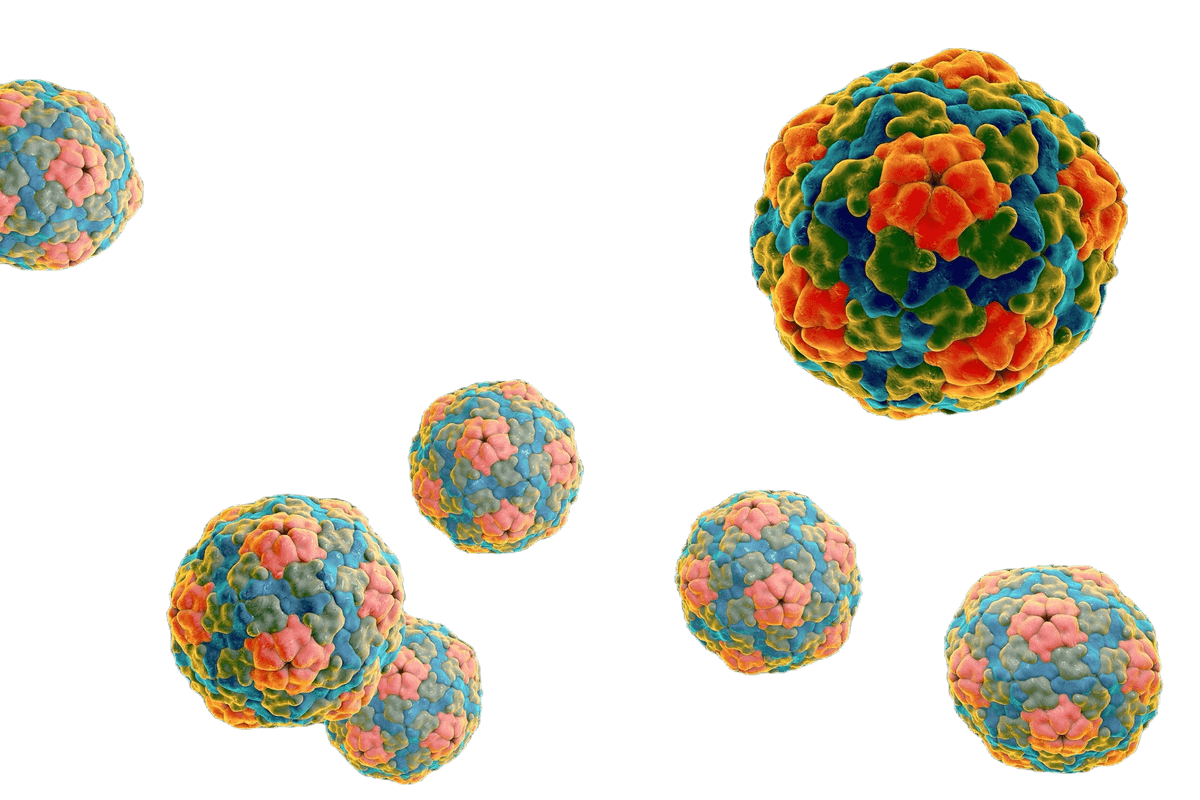
Hepatitis A is a liver disease common in many parts of the world and caused by hepatitis A virus (HAV), a picornavirus that causes acute inflammation of the liver. It is not related to the common viruses that cause hepatitis B or C.
Illness caused by HAV infection cannot be distinguished from other types of acute viral hepatitis, but it typically has an abrupt onset that can include fever, malaise, anorexia, nausea, abdominal discomfort, dark urine, and jaundice.
The likelihood of having symptoms with HAV infection is related to age. In children younger than age 6 years, 70% of infections are asymptomatic. When illness does occur in young children, it is typically not accompanied by jaundice. In older children and adults, infection typically is symptomatic, with jaundice occurring in more than 70% of patients.
Hepatitis A signs and symptoms usually resolve in 2–3 months, although 10% to 15% of symptomatic people have prolonged illness (usually referred to as relapsing hepatitis A) lasting up to 6 months and should be considered infectious during that time.
Person-to-person spread through the fecal-oral route is the primary means of HAV transmission. Peak infectivity in infected people occurs during the two-week period before the onset of jaundice when the concentration of virus in the stool is highest and most people are no longer infectious one week after jaundice onset. Before routine vaccination of children was recommended, children were a key source of infection because most infected children had no symptoms and could shed virus in stool for weeks or months. Transmission currently occurs primarily among susceptible adults.
Common-source outbreaks and sporadic cases can occur from exposure to fecally contaminated food or water. Uncooked HAV-contaminated foods have been recognized as a source of outbreaks. Cooked foods also can transmit HAV.
HAV can produce either asymptomatic or symptomatic infection in humans after an average incubation period of 28 days (range: 15–50 days).
In infected people, HAV replicates in the liver, is excreted in bile, and is shed in stool. Peak infectivity occurs during the 2-week period before onset of jaundice or elevation of liver enzymes, when concentration of virus in stool is highest. Concentration of virus in stool declines after jaundice appears, with most people no longer infectious about a week after jaundice appears. Children can shed HAV for longer periods than adults, up to 10 weeks or longer after onset of clinical illness.
People with chronic liver disease are not at increased risk for acquiring HAV infection. However, they are at an increased risk for life-threatening, fulminant (severe and sudden) hepatitis if they become infected with hepatitis A. People considered to have chronic liver disease include those with hepatitis B or C infection, cirrhosis, fatty liver disease, alcoholic liver disease, and autoimmune hepatitis.
Hepatitis A virus (HAV) is the most common cause of acute viral hepatitis worldwide, with prevalence closely tied to sanitation and socioeconomic status. In Egypt, improvements in hygiene have shifted the pattern of HAV infection, affecting strategies for vaccination.
Vaccination remains the best way to prevent hepatitis A, especially in groups with lower rates of natural immunity. In Egypt, targeted vaccination for high-risk (especially high social class) children is more appropriate than a universal program at present, but continued surveillance is important.
المصدر: الهيئة المصرية للدواء / وزارة الصحة — لا توجد علاقة مباشرة بين الموقع وهذه الشركات، والمحتوى لأغراض التوعية فقط. ولا يجوز استخدامها في أي أغراض تجارية
المصدر: الهيئة المصرية للدواء / وزارة الصحة — لا توجد علاقة مباشرة بين الموقع وهذه الشركات، والمحتوى لأغراض التوعية فقط. ولا يجوز استخدامها في أي أغراض تجارية
المصدر: الهيئة المصرية للدواء / وزارة الصحة — لا توجد علاقة مباشرة بين الموقع وهذه الشركات، والمحتوى لأغراض التوعية فقط. ولا يجوز استخدامها في أي أغراض تجارية